



Curacao Ronca · CEOC Curaçao
Sleep apnea and bruxism in Curaçao
Dental evaluation for people who snore, wake up tired, or clench their teeth at night.
Curacao Ronca · CEOC Curaçao
Dental evaluation for people who snore, wake up tired, or clench their teeth at night.
Intraoral devices · Personalized evaluation
We assess whether an intraoral device could help you sleep better and protect your masticatory system.
Professional care in Willemstad
Visit us at Salinja 145, Willemstad. Our team will guide you with availability and next steps.
More than a nighttime noise
When snoring, waking up tired, or bruxism become frequent, it is worth looking at what is happening during the night.
At CEOC, we evaluate breathing, bite, dental wear, and sleep-related symptoms to guide the right treatment.
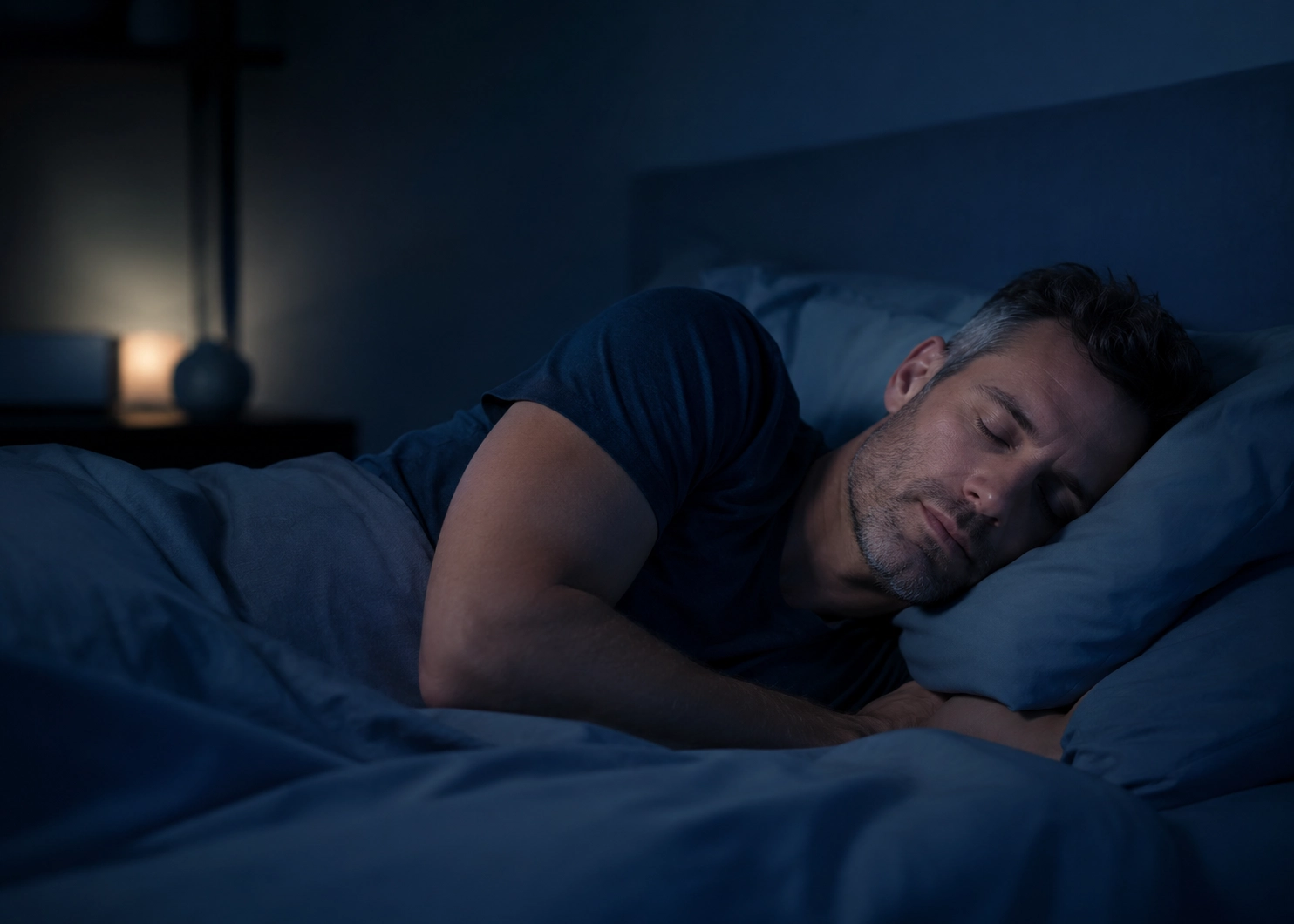
Frequent snoring
Non-restorative sleep
Nighttime bruxism
When it is worth paying attention
Not every snore means sleep apnea, but when these symptoms repeat, an evaluation can help understand what is happening.
Swipe to see the main signs
Especially if it happens almost every night.
Gasping or interruptions observed during sleep.
Feeling like you did not rest well.
Discomfort when waking up, along with fatigue or tension.
Pressure in the jaw, cheeks, temples, or joint.
Sensitivity, small fractures, or signs of clenching.
At CEOC, we evaluate nighttime breathing, bite, dental wear, muscles, and sleep-related symptoms to guide the next steps according to each case.
Sleep apnea
In some patients, the airway can narrow during the night. This may lead to breathing pauses, micro-awakenings, and non-restorative sleep.
That is why it is not enough to look only at snoring: breathing, sleep-related symptoms, and oral structures should also be evaluated.
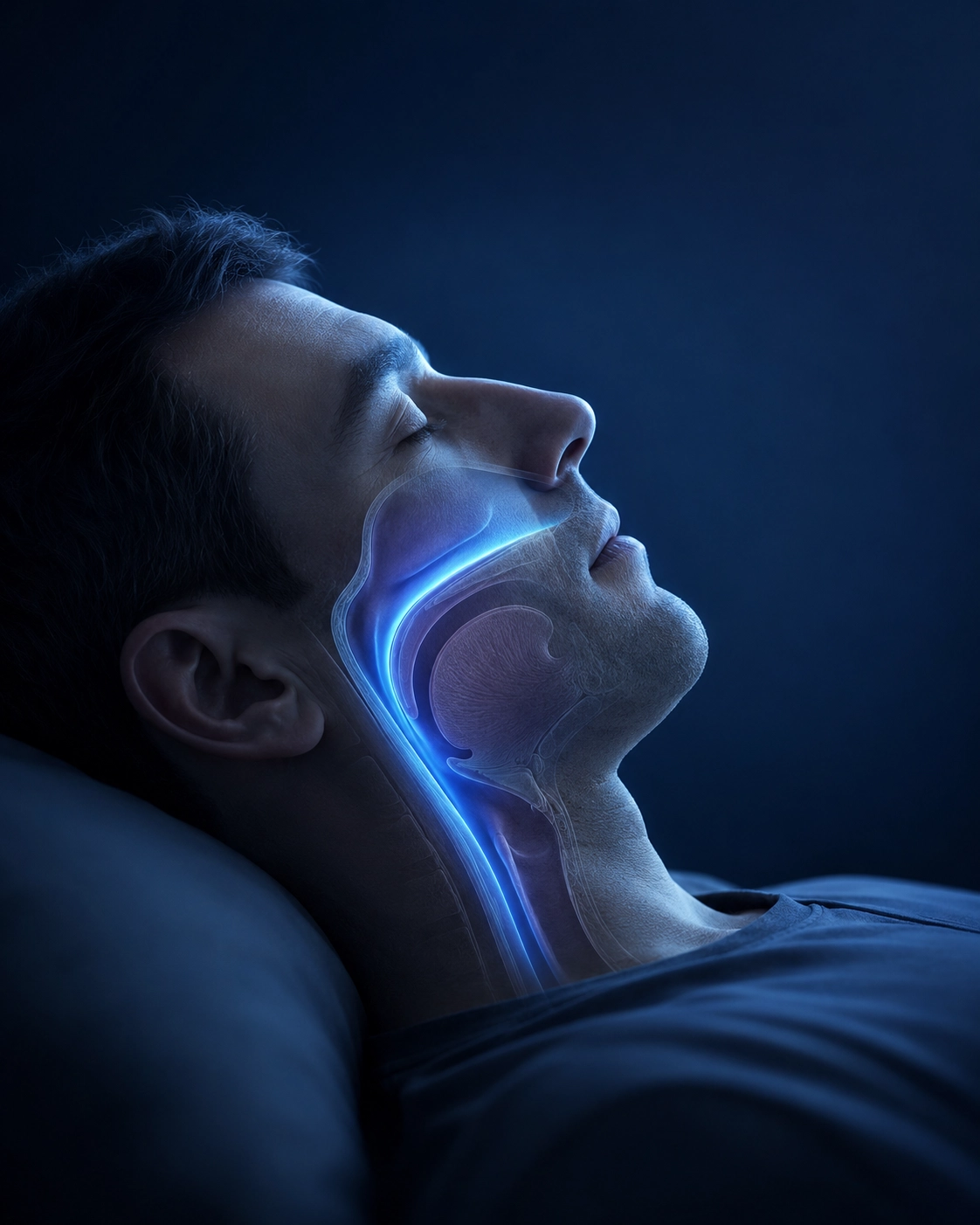
What may be happening during the night
Airflow may be reduced while you sleep.
Breathing pauses, micro-awakenings, or light sleep may occur.
Insufficient rest can be felt when waking up and throughout the day.
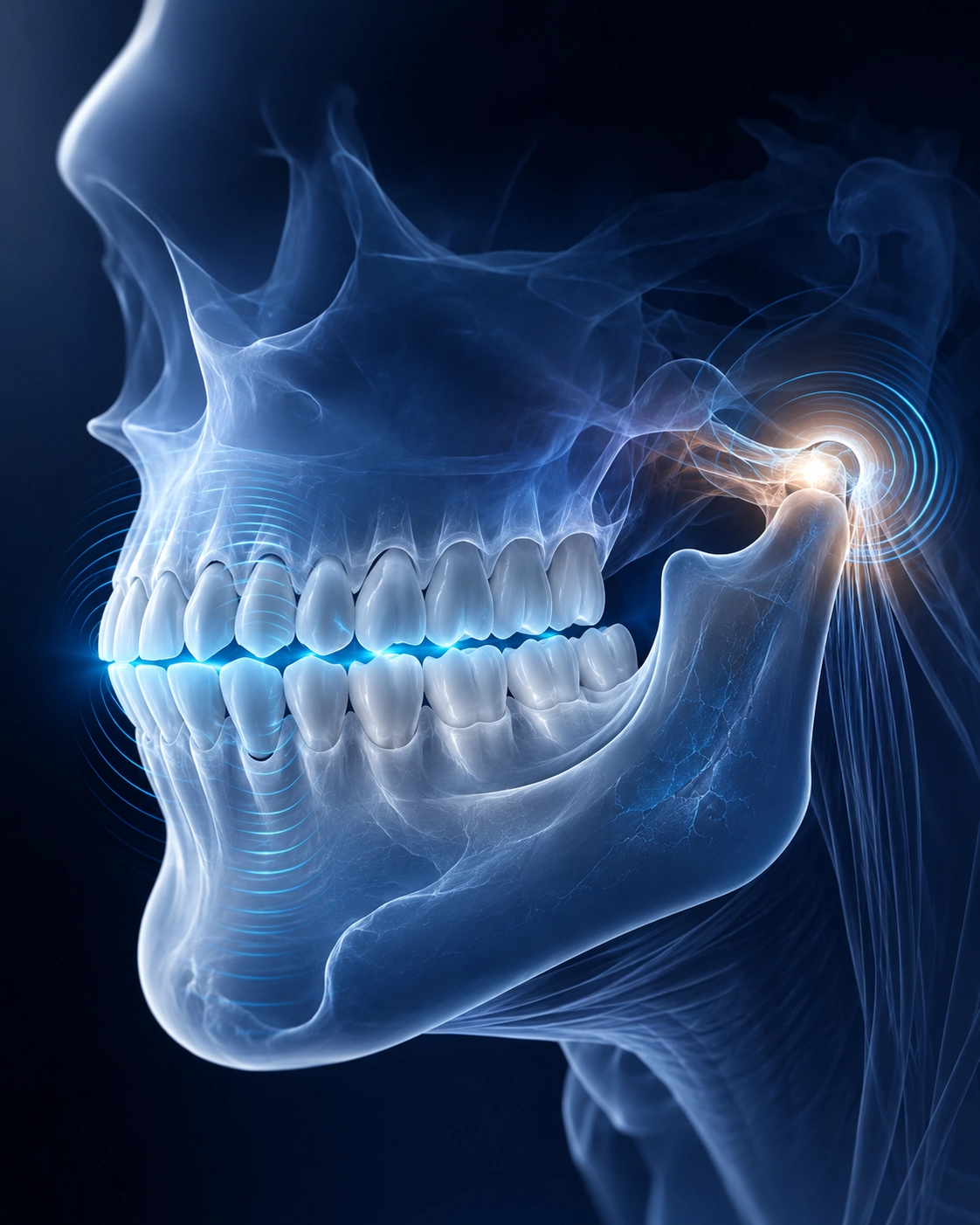
Bruxism
Clenching or grinding your teeth at night can lead to dental wear, sensitivity, muscle tension, and discomfort when waking up.
Not every case of bruxism is managed the same way. An evaluation helps understand the cause, the level of wear, and whether there is an associated sleep disorder.
Common effects of bruxism
Sensitivity, worn edges, or small fractures.
Jaw, cheeks, or temples feeling tight when waking up.
Discomfort or stiffness when moving the jaw.
Relationship between symptoms
Snoring, sleep apnea, and bruxism can appear separately, but in some patients they may share an underlying factor: nighttime breathing, bite, muscle tension, or dental wear.
The key is understanding what is behind the symptom.
It may be necessary to evaluate how air is passing during the night.
It is worth evaluating the bite, muscles, jaw joint, and dental wear.
It may be related to interrupted sleep or altered nighttime breathing.
We review the whole picture to guide the right treatment according to each case.
Personalized treatments
At CEOC, the indication is defined after evaluating symptoms, bite, dental wear, nighttime breathing, and patient comfort.
Personalization helps avoid generic solutions. Each case is guided according to clinical findings.
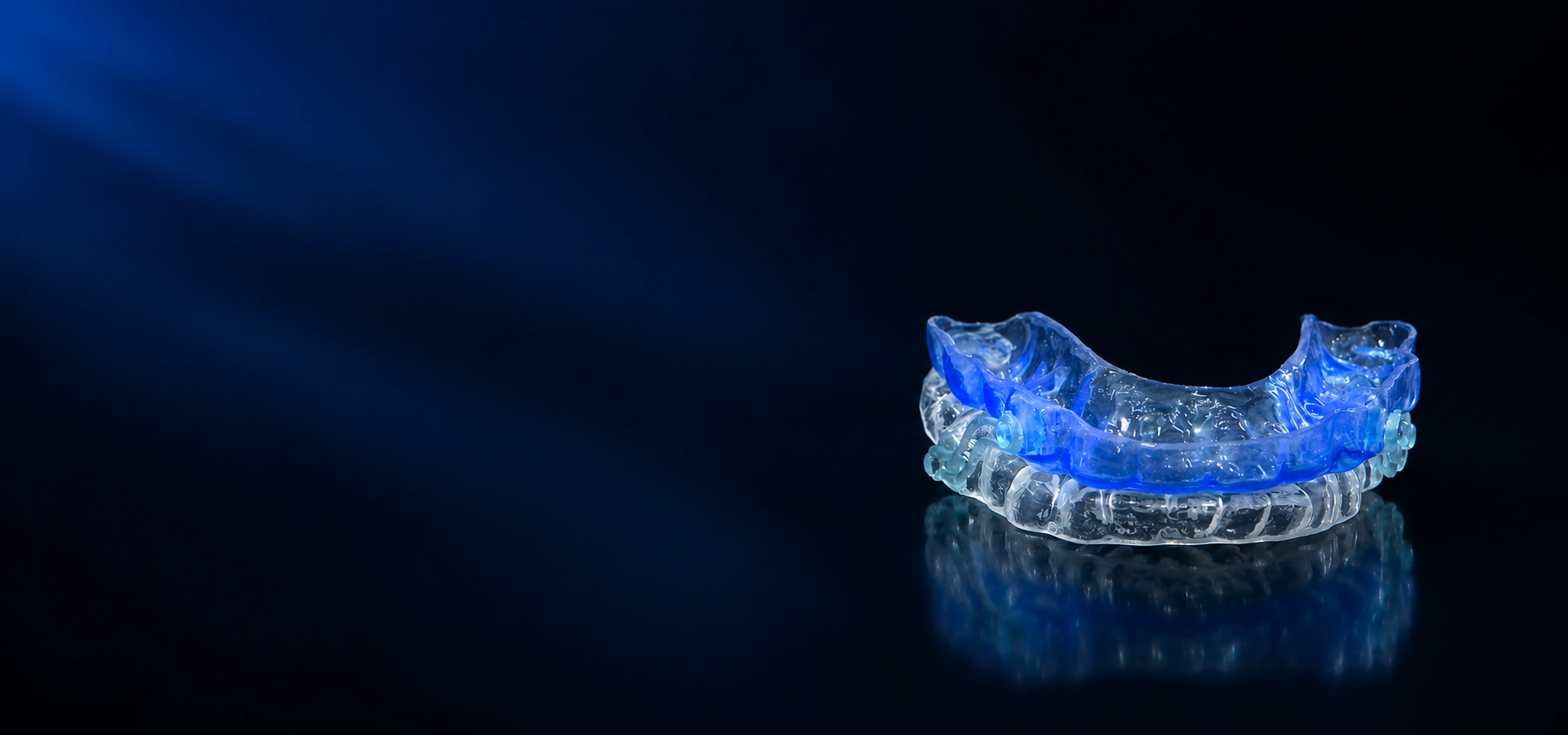
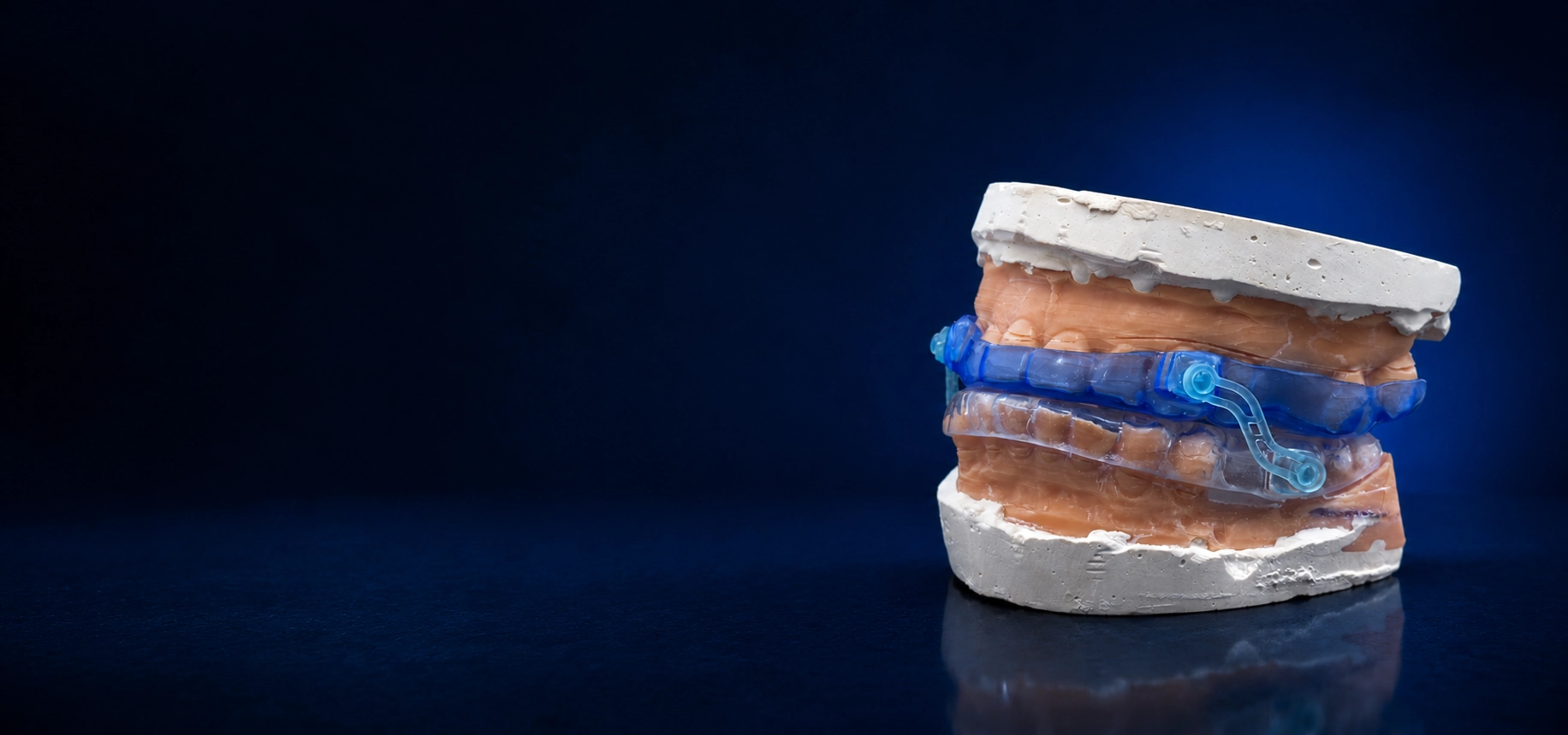
Mandibular advancement device
In selected patients, this device may help reduce snoring and support the management of certain cases of obstructive sleep apnea.
Adapted to the patient’s mouth and bite.
Designed to be used during sleep.
May require adaptation check-ups.
It is not a universal solution. Its indication depends on the clinical evaluation, bite, dental condition, and severity of the case.
Device use
A demonstration video to visualize how the device is positioned in the mouth and better understand its nighttime use.
The indication, adjustment, and follow-up depend on a personalized clinical evaluation.
CEOC Clinic
Professional care in Willemstad to evaluate snoring, sleep apnea, bruxism, and alternatives according to your case.

Frequently asked questions
Quick answers to understand when it may be worth consulting about snoring, sleep apnea, or bruxism.
No. But if snoring is frequent, intense, or comes with tiredness, breathing pauses, or non-restorative sleep, it is worth checking.
Not necessarily. First, the cause, dental wear, jaw joint, and whether there may be an associated sleep disorder are evaluated.
No. It must be indicated individually according to the clinical evaluation, bite, dental condition, and severity of the case.
If you snore frequently, wake up tired, have jaw tension, grind your teeth, or someone notices breathing pauses while you sleep.
No. The dental evaluation helps guide the next steps. If the case requires it, it may be complemented with sleep studies or medical assessment.
This information is for guidance only and does not replace a personalized professional evaluation.